More questions?
The FAQ has answers on rounds, scoring, calibration, integrations, and what we deliberately don’t measure.
What Basanite is built on
Most hiring tools reward the candidate who best approximates the idea of a good hire. Basanite is built to surface whether they actually are one. Real ability has blurry edges, performed ability doesn’t. Every decision below exists to find that edge.
How we get a true signal
Not a question bank. A method built so the signal survives contact with a prepared, AI-assisted candidate.
01 · Two rounds
Round one is a conversation about their real work: how they reason, and the things experienced engineers know but rarely say out loud. Round two drops them into a sandbox that looks like the job: a real codebase, an AI coding agent, a ticket to ship. One reveals thinking. The other reveals doing. The gap between them is itself the signal.

02 · AI use is a plus, not a red flag
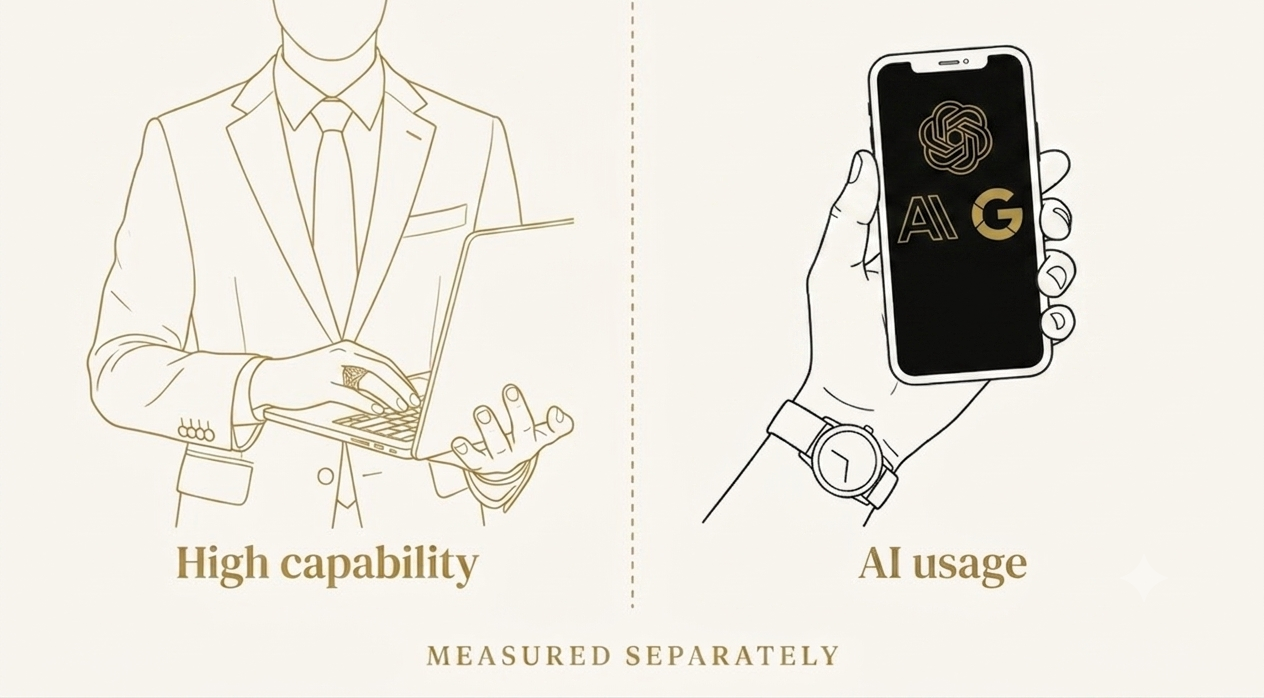
A candidate who used an agent and produced strong, verified work is not the same as one who used it to paper over a gap, and you shouldn't have to guess which. Basanite keeps the two readings apart and hands you both. You get the read, not a verdict.
03 · Evidence, not vibes
Nothing scores high on impression. A strong rating has to be backed by a specific, quoted moment from the interview, surfaced in the report so the hirer sees the evidence, not just the number.
Judgment under ambiguity
“I shipped the read path first and left writes behind a flag, we didn’t have the load data to commit to the sharding scheme yet.”
Verbatim · Round 1 transcript
04 · Same bar, different questions
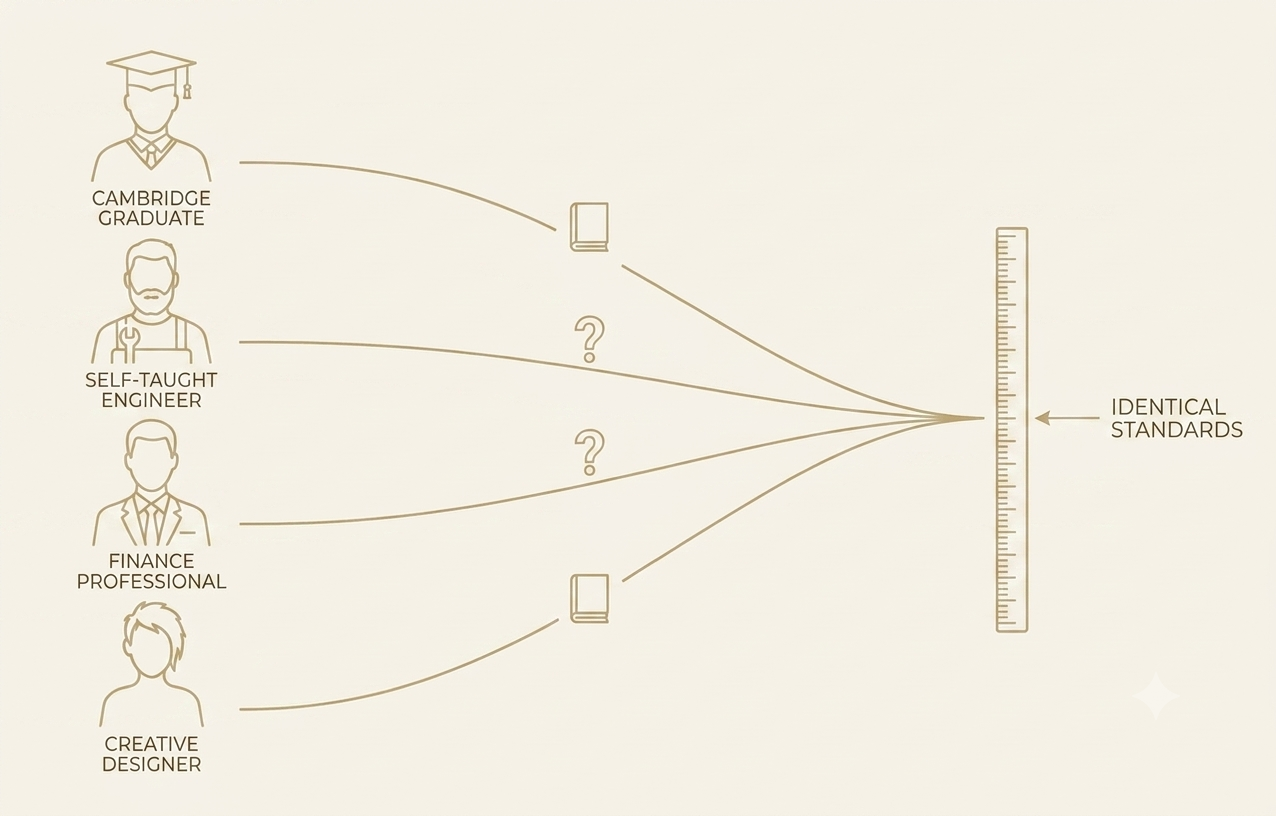
No two candidates get the same questions. Each interview is built from their own CV, so it can't be leaked, rehearsed, or looked up. But the qualities being measured, and the standard they're held to, are identical. A self-taught engineer is measured against the same bar as a Cambridge graduate.
The FAQ has answers on rounds, scoring, calibration, integrations, and what we deliberately don’t measure.